
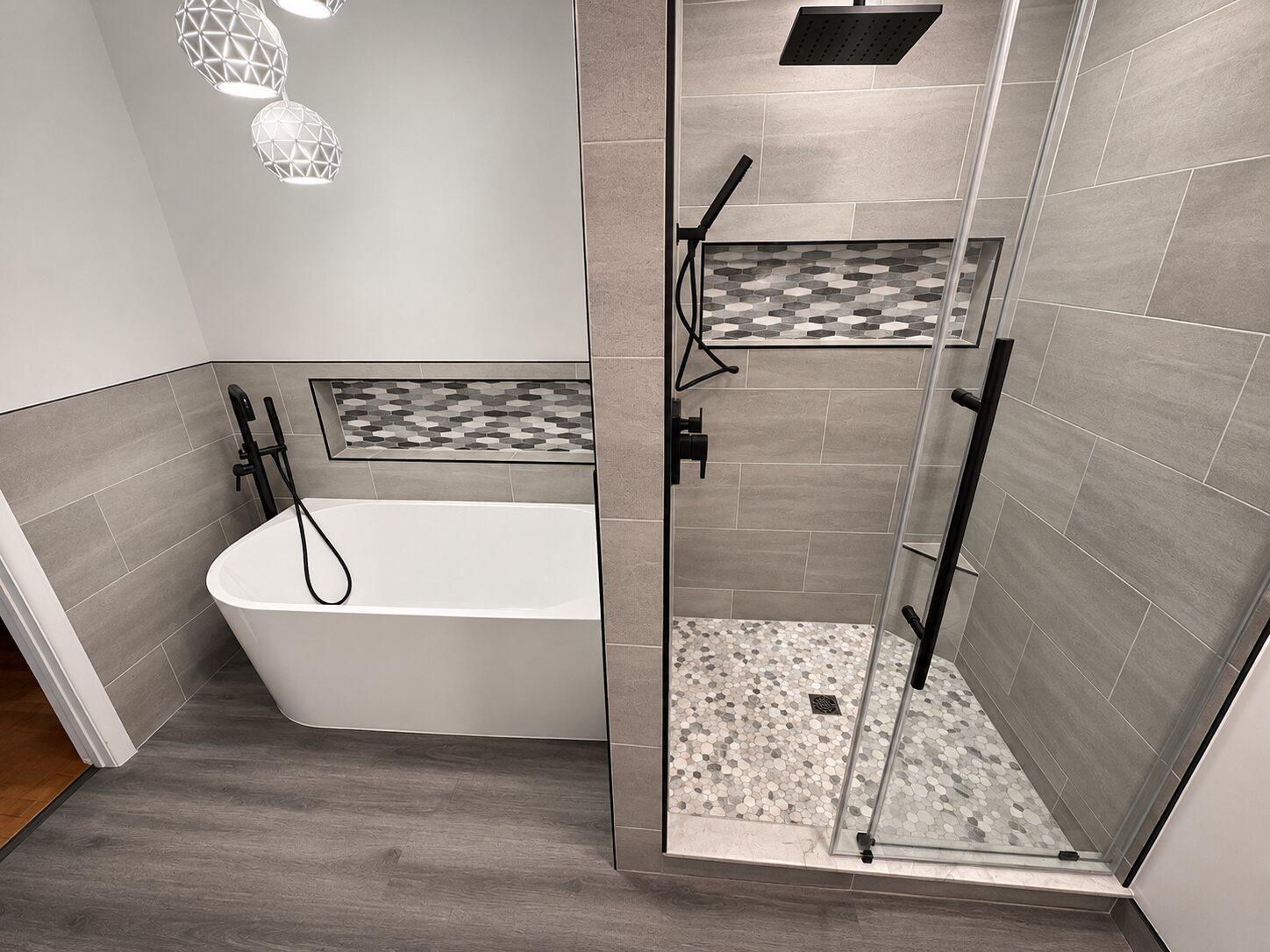
A full bathroom renovation takes about two weeks of work at GS Construction, from the day the old fixtures come out to the day you use the new shower. A refresh that keeps the layout and replaces the surfaces takes less time, and a layout change that moves the toilet or the shower drain takes longer.
Two weeks is a short time for a room that holds more trades per square foot than any other in the house: plumbing, electrical, carpentry, waterproofing, tile and paint, each one waiting on the one before it. This guide walks through the order of the work, what happens on which days, and the few things that decide whether a bathroom renovation finishes on schedule.
The short answer by project size
Most bathroom projects fall into one of three sizes, and the timeline follows the size.
A refresh keeps the tub or shower, the toilet and the sink where they are and replaces what you see: the vanity, the toilet, the faucet, the lighting, sometimes the floor and the paint. With the plumbing staying put, a refresh is the shortest bathroom project, often a matter of days.
A full bathroom renovation takes the room down to the studs and the subfloor and rebuilds it: new tile on the floor and the walls, a new shower or tub surround, a new vanity and new fixtures. This is the two-week project.
A layout change adds work underneath everything else: moving a drain, turning a tub into a walk-in shower, adding a second sink. The plumbing work comes before any of the finishes, so a layout change adds days to the two weeks.
The days in the sections below are typical for a full renovation. Every room is a little different, and the order of the work is what stays the same.
Before day one: decisions that keep the schedule
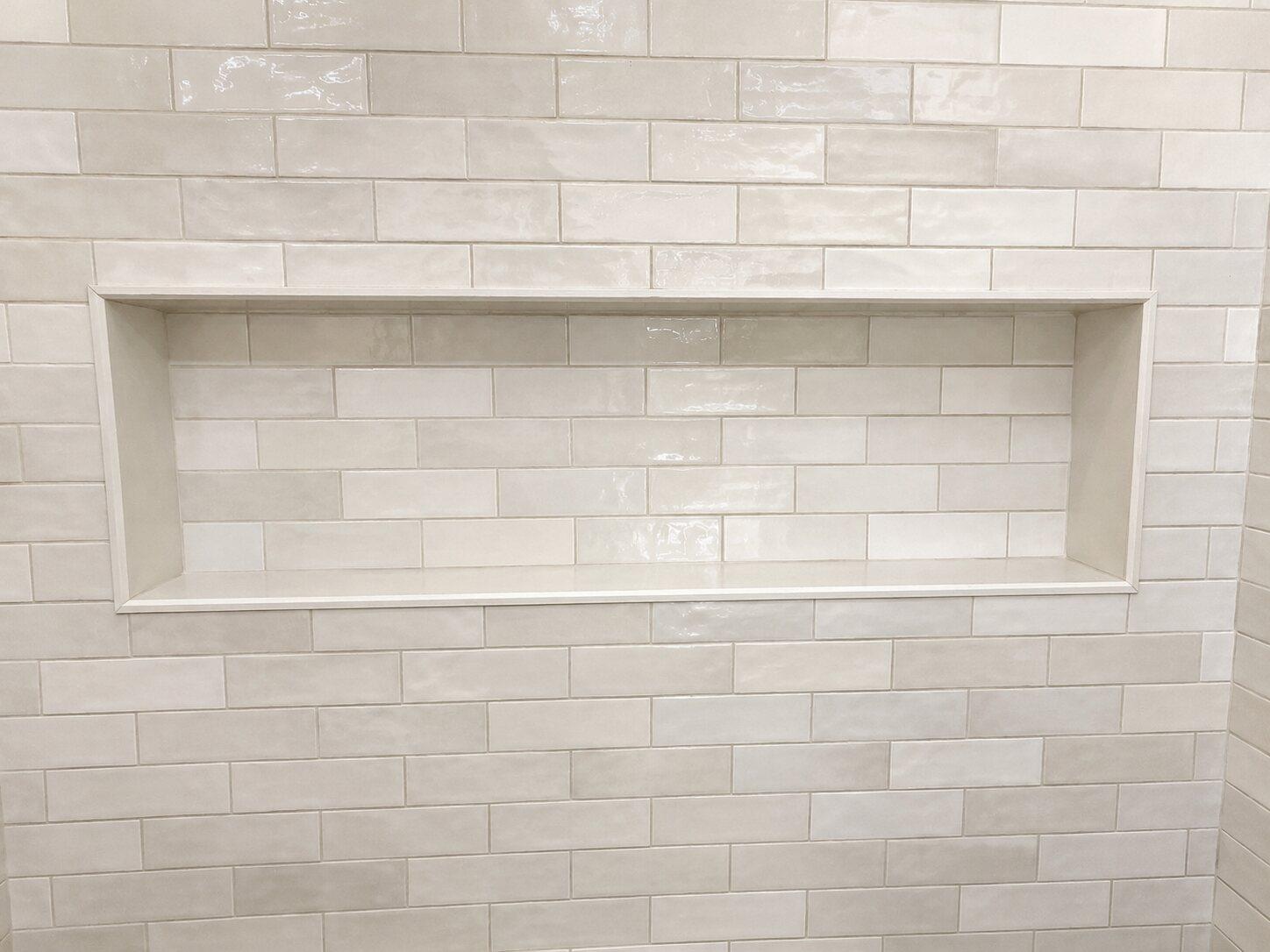
The fastest bathroom renovations are the ones where every choice is made before demolition. The tile for the floor and the walls, the vanity and its top, the toilet, the faucet and shower valve, the lighting and the style of shower glass all set measurements that the crew works to from the first day.
Choices made early also mean materials are on hand when they are needed. A vanity or a tile that has to be ordered can take longer to arrive than the work itself, and a room that is opened up and then left waiting is the most common reason a two-week bathroom becomes a four-week one.
It also helps to plan for the two weeks themselves. In a house with one bathroom, that means a temporary arrangement: a second washroom in the basement, a gym membership for showers, or a stay with family during the middle of the job.
Days 1 and 2: demolition
The first days go to taking the room apart. The toilet, the vanity and the tub or shower come out, then the tile, the drywall around wet areas and, in a full renovation, the floor down to the subfloor. In a careful renovation, the floors and the path through the house are protected before anything is carried out.
Demolition is also when a bathroom shows its history. Damp drywall behind an old tub surround, a soft spot in the subfloor beside the toilet, or framing that has been wet for years are common in older homes. They are repaired now, while the room is open, because new tile over old damage fails from underneath.
Days 3 to 5: plumbing, wiring and the walls
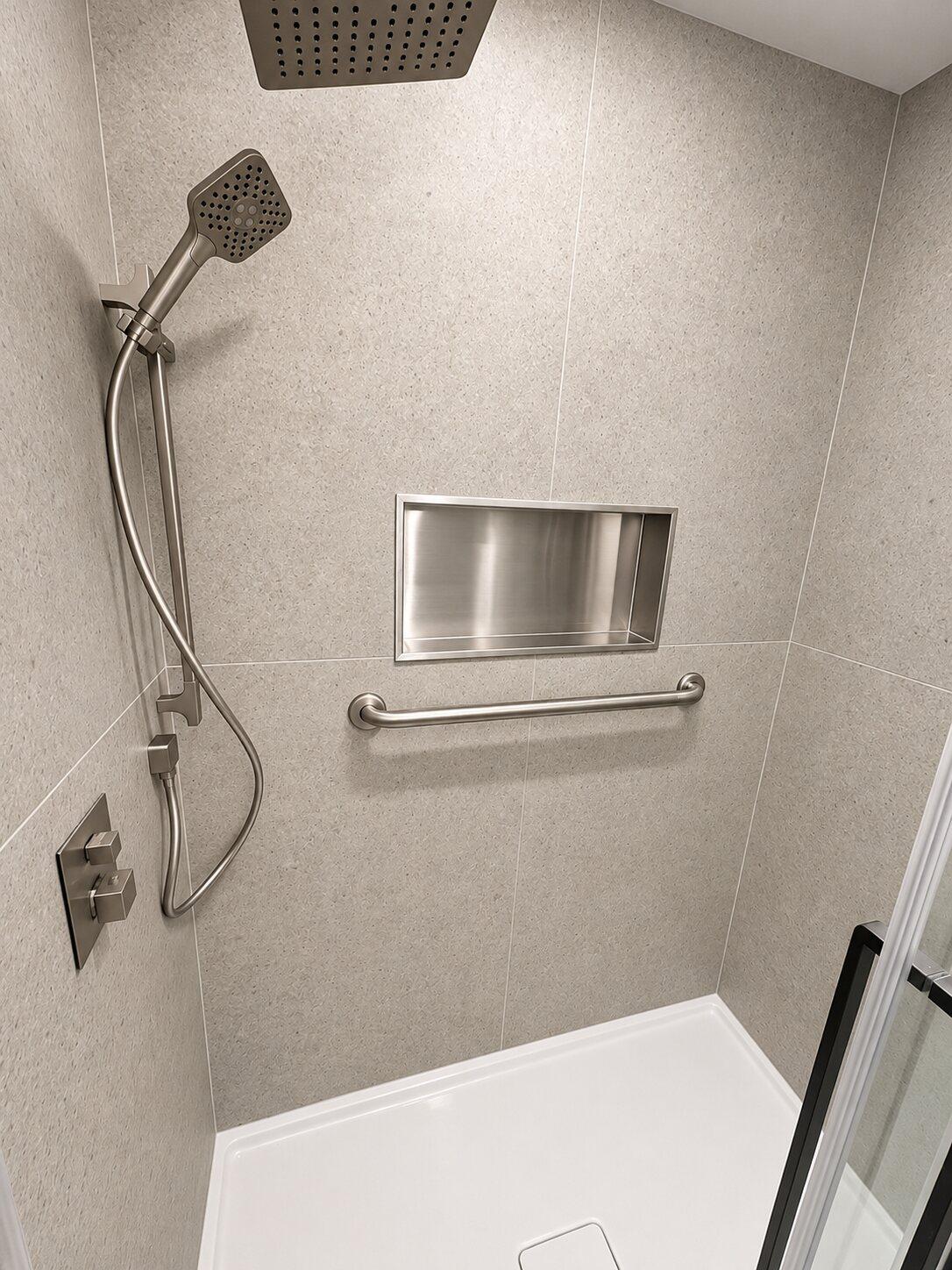
With the room open, the plumbing goes where the new layout needs it: the shower valve set at the right height, the drain for the new shower base, supply lines for the vanity and the toilet. Wiring follows for the lighting, the outlets, a heated floor if there is one, and the exhaust fan, which should vent to the outside rather than into the attic.
Then the walls close. Drywall goes on the dry areas and cement board or a foam board system goes in the shower, ready for the waterproofing that comes next.
Waterproofing: the step nobody sees
Tile and grout are not waterproof on their own. Over time water moves through grout lines, so what keeps a shower dry for decades is the layer behind the tile: a sloped base that sends water to the drain, and a waterproof membrane over the walls and the floor of the shower, sealed at every corner and around every pipe.
This step takes a day or two, and some membranes need time to cure before tile goes on. It is the one part of a bathroom renovation that cannot be fixed later without tearing the tile out, which is why it is never the place to save a day.
The middle of the job: tile
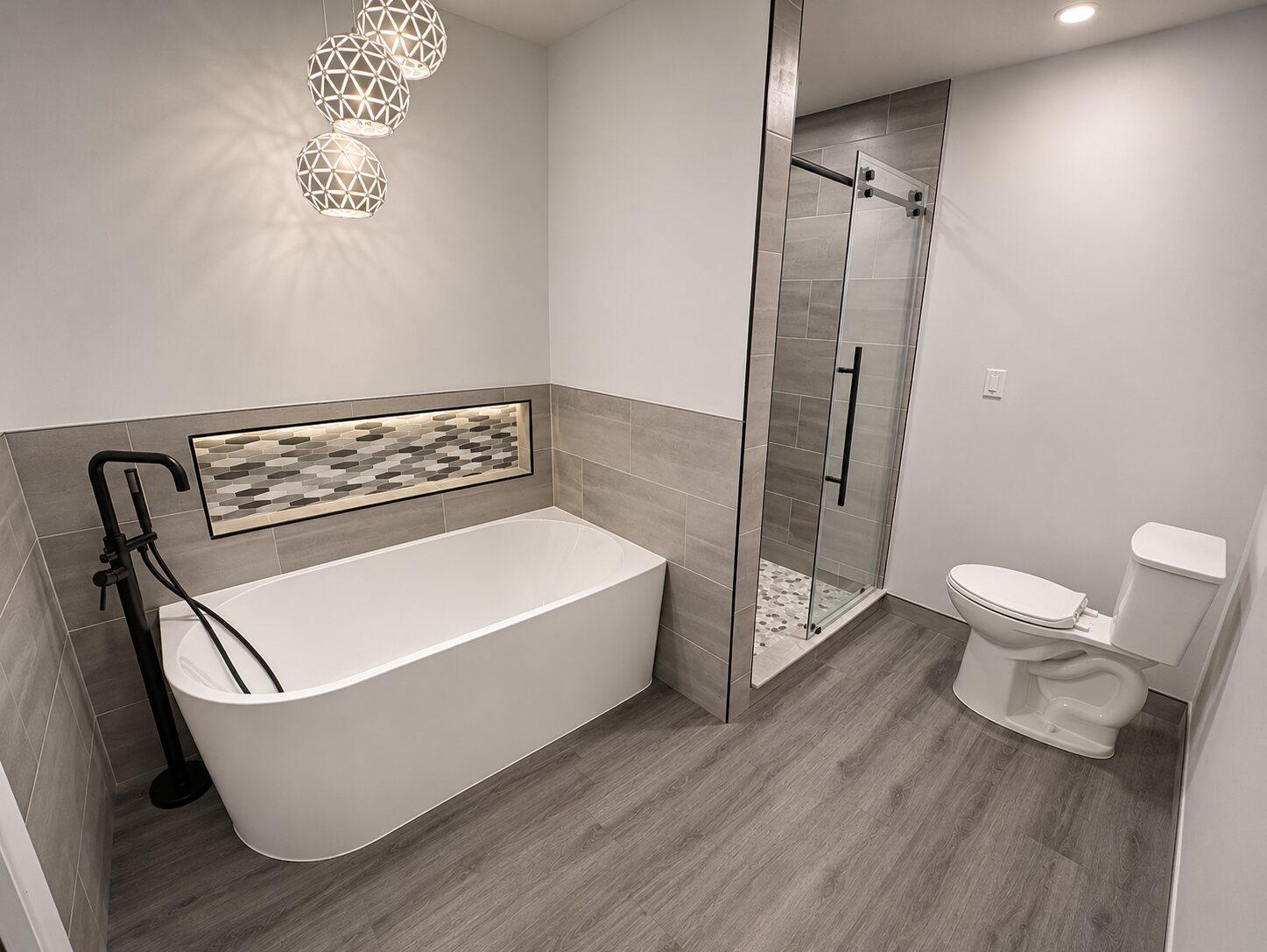
Tile takes the largest share of the two weeks. The layout is planned before the first piece is set, so the cuts land at the edges where they are least visible, the niche lines up with the grout lines, and the pattern runs straight across the wall and the floor.
Tile is set in stages. The setting material needs time to cure before grout goes on, and the grout needs its own time before the shower is used. Large-format tiles, mosaics and patterns such as herringbone add days, because each piece takes more cutting and placing than a plain layout.
This is the stage where attention to detail shows most. Grout lines that meet at the corners, a straight line of mosaic accent and trim cut tight against the tile are what homeowners notice for years afterwards.
The last days: vanity, fixtures, paint and glass
Once the tile is grouted, the room comes back together quickly. The vanity and its top go in, then the sink, the faucet, the toilet, the shower trim, the lighting and the fan cover. Trim and baseboards are installed, the walls are painted, and caulk lines finish the joints where tile meets tub, counter and trim.
Custom shower glass usually arrives last. It is measured once the tile is finished, because the glass has to fit the walls exactly as they were built, and it is made to those measurements. In the meantime the shower can often be used with a temporary curtain.
What can stretch the timeline
A few things push a bathroom past two weeks, and most of them can be seen coming. Hidden water damage is the most common: it is found during demolition and repaired before the work moves on. Materials that are not on hand when the crew needs them are the second. A layout change, a custom tiled shower in place of a prefabricated base, or a complex tile pattern add days by design.
Changes made mid-project add time too. Moving a niche after the walls are boarded, or switching to a different tile after the layout is set, sends the work back a step. Settling those choices before day one is the simplest way to keep the schedule.
Planning a bathroom in Kingsville, Leamington, Essex or Harrow
GS Construction renovates bathrooms across Kingsville, Leamington, Essex and Harrow, with a 5-year warranty on the work. The company is fully insured and covered by WSIB. Every bathroom starts with a visit to look at the room and talk through what you want it to do, and the quote follows the visit.
To plan yours, call (226) 202-1022 or send the form below with a few words about the room.